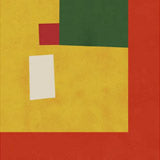
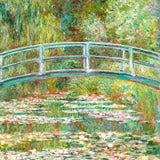
Contemporary graphic design pushes the principles of classic design into new directions. Bold experimentation, layered complexity, and visual wit—work that respects design history while redefining its possibilities.
Modern graphic design builds directly on classic design foundations while introducing playfulness, formal experimentation, and conceptual depth. Where classic Swiss Style minimizes elements to essential components, modern design sometimes celebrates layering, texture, and visual complexity. Colour palettes expand far beyond the restrained primary and secondary colour schemes that characterized mid-century International Style. Typography becomes more expressive and self-aware, sometimes breaking its own rules intentionally to create meaning. The work remains functionally rigorous—every element has a purpose—but purpose now encompasses emotional resonance, conceptual depth, and cultural commentary alongside information delivery. Modern graphic designers inherit fifty years of design thinking and choose to build on it, challenge it, or deliberately subvert it. Digital tools have expanded what's possible, but the best contemporary design demonstrates that technical capability means nothing without clear conceptual intention. Each piece in this collection shows graphic design thinking that respects history while pushing boundaries. The work demonstrates that graphic design continues to evolve, remaining relevant and vital to visual culture. Contemporary graphic design often engages with social, political, and cultural questions, using visual form to communicate ideas that words alone cannot convey.
Why Collectors Choose These Works
Collectors of modern graphic design tend to be visually literate and forward-looking, appreciating work that feels contemporary without sacrificing depth or intelligence. These pieces often address current visual culture and design questions directly. They suit creative studios, design-forward homes, offices, and spaces that balance functionality with emotional and conceptual depth. Modern graphic design work signals that the collector cares about visual culture, design thinking, and current creative practice. In professional environments, contemporary graphic design demonstrates commitment to innovation and visual excellence. In homes, it suggests sophistication, visual curiosity, and engagement with current creative culture. These pieces often function as conversation starters because they tackle visual problems in unexpected ways. Unlike classic design, which teaches through example, modern design sometimes provokes or challenges. That intellectual engagement is precisely why collectors seek these works. Owning modern graphic design means participating in design culture as it evolves. These pieces benefit from repeated looking—new visual relationships and conceptual connections become apparent with sustained attention.
How to Display & Frame
Modern graphic design works best with minimal framing that respects the designer's intentions and allows their vision to communicate directly. Black frames work exceptionally well for high-contrast pieces and bold graphic designs, creating maximum visual impact through frame-composition contrast. Walnut Brown suits more complex compositions with subtle colour relationships, providing warm anchoring without competing with the design. Oak frames can work for softer, more organic contemporary work. 50×70cm is an ideal scale that neither dominates nor disappears—modern graphic design functions beautifully at this size, permitting viewers to engage with compositional details and conceptual elements. Display modern graphic design pieces in dedicated wall space where they can be primary visual focal points. These pieces deserve attention and engagement, not background positioning. Group pieces by designer, visual theme, or conceptual relationship rather than randomly. This creates conversation between works while maintaining visual coherence. Modern graphic design integrates well with contemporary minimalist interiors or more eclectic spaces where individual pieces provide visual anchors. In studio and office environments, contemporary graphic design contributes to a culture of visual excellence and design thinking. These pieces improve the visual standard of any space they occupy.


 Nina Simone Jazz ConcertFrom CHF 23.00 /
 Miles Davis Jazz ConcertFrom CHF 23.00 /
 Bauhaus Dessau by Nico TraceyFrom CHF 25.00 /
 B.B. King Jazz ConcertFrom CHF 23.00 /
 Otis Redding Jazz ConcertFrom CHF 23.00 /
 Barbican Centre by Nico TraceyFrom CHF 25.00 /
 Berlin Sunset CityFrom CHF 23.00 /
 Ella Fitzgerald Jazz ConcertFrom CHF 23.00 /
 Bauhaus-Gestalt. Rad. Moderne Shape. Wheel. Modern by Fadil RozeFrom CHF 25.00 /
 Hola Art PrintFrom CHF 25.00 /
 Torre Velasca by Nico TraceyFrom CHF 25.00 /
 Bauhaus Dessau architecture in vintage magazine style VI by Rosana Laiz BlursbyaiFrom CHF 25.00 /
 Orange Strokes by Ejaaz HaniffFrom CHF 25.00 /
 Street Lamp by Giuseppe CristianoFrom CHF 25.00 /
 Oh La La Art PrintFrom CHF 25.00 /
 Torres Blancas by Nico TraceyFrom CHF 25.00 /
 New York Sunset CityFrom CHF 23.00 /
 Buzludzha Monument by Nico TraceyFrom CHF 25.00 /
 Geisel Library by Nico TraceyFrom CHF 25.00 /
 Geometric Echoes by THE MIUUS STUDIOFrom CHF 25.00 /
 Shapes in Harmony by THE MIUUS STUDIOFrom CHF 25.00 /
 Stockholm Sunset CityFrom CHF 23.00 /
 Modern Abstract Art Flowers by ThingDesignFrom CHF 25.00 /
 Bauhaus Dessau architecture in vintage magazine style by Rosana Laiz BlursbyaiFrom CHF 25.00 /
 Bossa NovaFrom CHF 25.00 /
 Evening Rendezvous by TreechildFrom CHF 25.00 /
 Amalfi Sunset CityFrom CHF 23.00 /
 Habitat 67 by Nico TraceyFrom CHF 25.00 /
 Nakagin Capsule Tower by Nico TraceyFrom CHF 25.00 /
 Layered Serenity by THE MIUUS STUDIOFrom CHF 25.00 /
 Paris Sunset CityFrom CHF 23.00 /
 Pink House Home Sweet Home by Karin LauriaFrom CHF 25.00 /
 Leafy Elegance by TreechildFrom CHF 25.00 /
 Helsinki Sunset CityFrom CHF 23.00 /
 Let The Good Times Roll Art PrintFrom CHF 25.00 /
 Florence Sunset CityFrom CHF 23.00 /
 Amsterdam Sunset CityFrom CHF 23.00 /
 Just Dance Art PrintFrom CHF 25.00 /
 London Sunset CityFrom CHF 23.00 /
 Barcelona Sunset CityFrom CHF 23.00 /
 Midnight Hug by Ejaaz HaniffFrom CHF 25.00 /
 Golden Petal Dance by TreechildFrom CHF 25.00 /
 Flow 1 by Jazzberry BlueFrom CHF 25.00 /
 Lemon Illustration by NicholasFrom CHF 25.00 /
 Housing Block by Nico TraceyFrom CHF 25.00 /
 Congresso Nacional by Nico TraceyFrom CHF 25.00 /
 Reach 2 by Jazzberry BlueFrom CHF 25.00 /
 Guggenheim by Nico TraceyFrom CHF 25.00 /
 Happily Stacked by Ejaaz HaniffFrom CHF 25.00 /
 Petal Harmony by TreechildFrom CHF 25.00 /
 Reyjavik Sunset CityFrom CHF 23.00 /
 Anonymous by Jukyong ParkFrom CHF 25.00 /
 Dublin Sunset CityFrom CHF 23.00 /
 Santa Monica Sunset CityFrom CHF 23.00 /
 Edinburgh Sunset CityFrom CHF 23.00 /
 Aqua Bloom Silhouette by Frida Floral StudioFrom CHF 25.00 /
 Fly High Art PrintFrom CHF 25.00 /
 Santorini Sunset CityFrom CHF 23.00 /
 Mud Texture 14 Beige by Pictufy Studio IIIFrom CHF 25.00 /
 Mausoleum of Avicenna by Nico TraceyFrom CHF 25.00 /
 Valencia Tower by Nico TraceyFrom CHF 25.00 /
 Wortruba Church by Nico TraceyFrom CHF 25.00 /
 The Sirius Building by Nico TraceyFrom CHF 25.00 /
 Golden Petals Dance by TreechildFrom CHF 25.00 /
 Johannes XXIII by Nico TraceyFrom CHF 25.00 /
 Richter's Skyscraper by Nico TraceyFrom CHF 25.00 /