Still life art prints — from classical fruit and flower arrangements to contemporary takes on tin cans, bottles, and kitchen objects. Work by artists who treat everyday things with real attention. Produced in our Berlin studio on fine art paper and canvas.
The still life has always been about looking closely at what is right in front of you. This collection brings together work from across centuries and styles — from classical arrangements of fruit and flowers to contemporary compositions of tin cans, wine bottles, and kitchen staples. What connects them is attention: each object is given weight, colour, and space to exist on its own terms.
Our contemporary still life prints lean into the everyday. Artists like Studio Mandariini turn canned fish and tomatoes into bold, pop-inflected compositions. Rosi Feist treats a chilli sauce bottle with the same seriousness a Dutch master gave to a lemon peel. Jukyong Park sets books and coffee cups into quiet, contemplative scenes. These are not stuffy museum pieces — they are prints that belong where life happens.
Printing and Materials
Every still life print is made in our Berlin studio on your choice of two materials. Fine art paper — 225g matte stock — delivers sharp edges and clean colour, well suited to graphic and illustrative work. Available in A3, 50x70cm, 70x100cm, and A0. Canvas prints use 400g cotton with a textured surface that adds warmth and depth, especially to painterly or richly coloured subjects. Canvas sizes: 30x40cm, 50x70cm, and 70x100cm. All prints use archival pigment inks. Frames available in oak, black, and walnut brown.
Related Collections
Still life overlaps naturally with several other categories. For food-focused subjects, see our food and drink prints. For botanical arrangements and flower studies, browse our botanical art prints. If you are drawn to the pop-art sensibility of some works here, Studio Mandariini and Rosi Feist are good starting points.
Why Still Life Works
Still life prints are among the most versatile subjects for walls. They carry colour and composition without demanding narrative attention. A tin can print in a kitchen feels right. A flower study in a hallway sets a tone without overwhelming. These are prints that work in the background of daily life — and reward the moments when you stop and look.


 Mocha By Gigi RosadoFrom CHF 25.00 /
 Striped Camellias by Ogawa KazumasaFrom CHF 23.00 /
 Peonies By Gigi RosadoFrom CHF 25.00 /
 Berlin Flower MarketFrom CHF 23.00 /
 Book Cafe by Jukyong ParkFrom CHF 25.00 /
 Vase of Flowers Painting by Odilon RedonFrom CHF 23.00 /
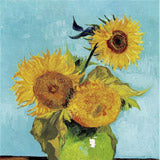
 Vase with Three Sunflowers by Van GoghFrom CHF 23.00 /
 Book coffee and cake By Gigi RosadoFrom CHF 25.00 /
 Bouquet in a Chinese Vase Painting by Odilon RedonFrom CHF 23.00 /
 Line Vase with Flowers by Bea MüllerFrom CHF 25.00 /
 Canned Fish by Studio MandariiniFrom CHF 25.00 /
 Disco tea By Gigi RosadoFrom CHF 25.00 /
 Sunflowers by Van GoghFrom CHF 23.00 /
 Sunflowers by Van GoghFrom CHF 23.00 /
 Floral Geometry by TreechildFrom CHF 25.00 /
 Sparkling Disco Ball by Samantha HearnFrom CHF 25.00 /
 Instant Camera - Rainbow by Florent BodartFrom CHF 25.00 /
 Vase with Twelve Sunflowers by Van GoghFrom CHF 23.00 /
 Three Iris Kæmpferi by Ogawa KazumasaFrom CHF 23.00 /
 Chilli Sauce by Rosi FeistFrom CHF 25.00 /
 Poster Monobloc Five Squares by Rosi FeistFrom CHF 25.00 /
 Lilac Summer by Goed BlauwFrom CHF 25.00 /
 Kin-sui-ro by Ogawa KazumasaFrom CHF 23.00 /
 Vibrant Reflections by TreechildFrom CHF 25.00 /
 Hawaiian Ginger Blossoms by Kristian GallagherFrom CHF 25.00 /
 Moss Roses in a Vase by Manet ExhibitionFrom CHF 23.00 /
 Sardines Tin Can by Baroo BloomFrom CHF 25.00 /
 Poster Drying Rack by Rosi FeistFrom CHF 25.00 /
 A Letter to Eugéne Maus by Manet ExhibitionFrom CHF 23.00 /
 Tabletop Elegance by TreechildFrom CHF 25.00 /
 Snowdrops in Spilled Milk Carton Retro Illustration by RetrodromeFrom CHF 25.00 /
 Flowers by Abraham MignonFrom CHF 23.00 /
 Limones by EMELIEmariaFrom CHF 25.00 /
 Butterfly Fruit Bowl by Susan BlackFrom CHF 25.00 /
 Shapes of Stillness by TreechildFrom CHF 25.00 /
 Evening Rendezvous by TreechildFrom CHF 25.00 /
 Blue HeartFrom CHF 23.00 /
 SUMMER MANDARINS by Gulcihan OzgucFrom CHF 25.00 /
 Five Lemons In a Net Bag by Rosi FeistFrom CHF 25.00 /
 Lilies by CATS AND DOTZFrom CHF 25.00 /
 Flower Market. Paris by NKTNFrom CHF 25.00 /
 Campbells Soup Tomato Plant Retro Illustration by RetrodromeFrom CHF 25.00 /
 Two Oranges by KubistikaFrom CHF 25.00 /
 Bouquet in a Chinese Vase by Odilon RedonFrom CHF 23.00 /
 Warm Poppies Still Life by NadjaaFrom CHF 25.00 /
 Instant Camera Collection by Florent BodartFrom CHF 25.00 /
 Accordion by Sue GraefFrom CHF 25.00 /
 Sprouting Onions Still Life by ViktoriiaFrom CHF 25.00 /
 Espresso Italiano by Rosi FeistFrom CHF 25.00 /
 DApner Kebab Picnic by Natascha BaumgartnerFrom CHF 25.00 /
 Vase with Carnations by Van GoghFrom CHF 23.00 /
 Large Vase with Flowers Painting by Odilon RedonFrom CHF 23.00 /
 Bottled Stillness by TreechildFrom CHF 25.00 /
 Wine and Blooms by TreechildFrom CHF 25.00 /
 Yellow Tulips In a Vase by Dirkie NellFrom CHF 25.00 /
 Imperial Fritillaries in a Copper Vase by Van GoghFrom CHF 23.00 /
 Erasers Art Print by Studio MandariiniFrom CHF 25.00 /
 Elegant Floral Woman by CATS AND DOTZFrom CHF 25.00 /
 Toys Pl by Kawasaki KyosenFrom CHF 23.00 /
 Pl.097 by Kawasaki KyosenFrom CHF 23.00 /
 Nature morte dans la cuisine by Fernand LégerFrom CHF 23.00 /
 Deux Tomates by Bo AndersonFrom CHF 25.00 /
 Red Coffee Morning by KatariinaFrom CHF 25.00 /
 The Three Skulls Art Exhibition By Paul CézanneFrom CHF 23.00 /
 Still Life Art Exhibition By Paul CézanneFrom CHF 23.00 /
 Three Poppies by CATS AND DOTZFrom CHF 25.00 /
 Tea time girl by Rafaela MascaroFrom CHF 25.00 /
 Prickly Pear by Sarah FitzgeraldFrom CHF 25.00 /
 Flowers In a vintage Honey Can by Raissa OltmannsFrom CHF 25.00 /
 Nature morte (1er état) by Fernand LégerFrom CHF 23.00 /
 3x4 20 by Elena RistovaFrom CHF 25.00 /
 Colorful Pears Still Life by FlowFrom CHF 25.00 /
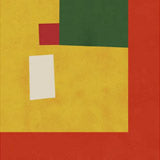
 Nice Travail et Joie by Henri MatisseFrom CHF 23.00 /
 Corkscrew by Sue GraefFrom CHF 25.00 /
 Bright Yellow Still Life by Rushati ChowdhuryFrom CHF 25.00 /
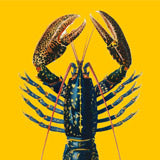
 Lobster Dinner Table by Rushati ChowdhuryFrom CHF 25.00 /
 Ancient Black Vessel by The Printable StudioFrom CHF 25.00 /
 Sleeping Black Cat by Dirkie NellFrom CHF 25.00 /
 Daisies in Purple Vase by Susan BlackFrom CHF 25.00 /
 Poppies in a Pink Mug by Susan BlackFrom CHF 25.00 /
 Spring Flowers and Birds by Dirkie NellFrom CHF 25.00 /
 Olive Branches In a Pot Painting by Dirkie NellFrom CHF 25.00 /
 Cozy Tabletop Pomegranates by Bea MullerFrom CHF 25.00 /
 Modern Striped Vase by Elena RistovaFrom CHF 25.00 /
 Red Tulip In A Modern Vase by Susan BlackFrom CHF 25.00 /
 Vibrant Orange Bathroom by Bethany YoungFrom CHF 25.00 /
 Espresso Time by Athene FritschFrom CHF 25.00 /
 Indigo Sea Life Watercolor by TreechildFrom CHF 25.00 /
 Vintage Amber Jug by Wild VioletsFrom CHF 25.00 /
 Antique Green Goblet by Wild VioletsFrom CHF 25.00 /
 Vintage Corn Flask by Wild VioletsFrom CHF 25.00 /
 Vintage Oil Lantern by Wild VioletsFrom CHF 25.00 /
 Cozy Floral Teacup by Dale HeferFrom CHF 25.00 /
 Harlequin Teapot by Dale HeferFrom CHF 25.00 /
 Le Sans Blague by Studio MandariiniFrom CHF 25.00 /
 Lemons Green Glass Still Life by Studio MandariiniFrom CHF 25.00 /
 Coffee Brewing Essentials by Lydia GreavesFrom CHF 25.00 /
 Modern Floral Still Life by Las3curiosasFrom CHF 25.00 /
 Nature morte à l’encrier by Fernand LégerFrom CHF 23.00 /
 Vibrant Striped Gourds by ViktoriiaFrom CHF 25.00 /