Riflettori sull'artista · 8 min di lettura · Kuriosis Studio Team, Berlino · giugno 2026
Paul Gauguin abbandonò una fiorente carriera da agente di cambio, lasciò la famiglia in Danimarca e infine salpò verso l'altro capo del mondo, tutto in nome di una pratica pittorica che riteneva la civiltà europea incapace di produrre. Il risultato è uno dei corpi di opere più distintivi della storia dell'arte: campiture di colore piatte, contorni neri decisi, luce tropicale e una schiettezza emotiva che scavalca tutto ciò che la pittura accademica aveva impiegato quattro secoli a perfezionare.
Da agente di cambio a pittore, la vita radicale di Gauguin
Paul Gauguin nacque a Parigi il 7 giugno 1848. Sua madre era di origini francesi e peruviane; la sua infanzia incluse cinque anni a Lima, in Perù, una formazione cosmopolita precoce che preannunciava la sua inquietudine di sempre. Tornato in Francia, prestò servizio nella marina mercantile per sei anni prima di stabilirsi a Parigi come agente di cambio negli anni Settanta dell'Ottocento, dove guadagnava un reddito agiato e collezionava opere impressioniste come hobby. Dipingeva nei fine settimana ed espose con gli impressionisti tra il 1880 e il 1886, pur lavorando ancora a tempo pieno. Il suo tutore Gustave Arosa, un collezionista d'arte, lo aveva introdotto nella cerchia di Pissarro, così Gauguin entrò silenziosamente nel movimento pittorico più radicale della sua epoca pur avendo un lavoro fisso.
Il crollo di borsa francese del 1882 pose fine alla sua carriera finanziaria. Nel 1885 Gauguin si era dedicato interamente alla pittura, una scelta che gli costò il matrimonio. La moglie Mette-Sophie portò i cinque figli a Copenaghen; non visse mai più con loro. I quindici anni successivi lo videro passare per la Bretagna, la Martinica e Arles, incluse nove settimane di lavoro accanto a Vincent van Gogh, concluse con il crollo psicologico di quest'ultimo. Nell'aprile 1891 salpò per la prima volta verso Tahiti. Tornò brevemente in Francia, trovò le sue nuove opere accolte con freddezza e ripartì definitivamente nel 1895. Morì nelle Isole Marchesi l'8 maggio 1903, a 54 anni, per complicazioni legate alla sifilide, ancora largamente sconosciuto al grande pubblico.
La biografia conta perché ha plasmato l'opera. Gauguin non teorizzava da uno studio confortevole, stava smontando la propria vita, deliberatamente e a un prezzo reale, per realizzare dipinti che riteneva impossibili da produrre con qualsiasi altro approccio.
Sintetismo e cloisonnismo, un nuovo linguaggio visivo
Alla fine degli anni 1880, lavorando in Bretagna insieme a Émile Bernard e alla cerchia di Pont-Aven, Gauguin aveva sviluppato quello che chiamava Sintetismo: un metodo pittorico che sintetizzava la forma esteriore di un soggetto con l'idea o l'emozione interiore che portava con sé. Come lo formulò lui stesso: «L'arte è un'astrazione: traetela dalla natura sognando davanti a essa, e pensate più all'atto della creazione che al risultato.»
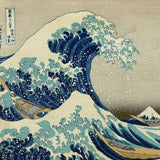
La realizzazione tecnica del Sintetismo fu il Cloisonnismo, ampie campiture piatte di colore puro delimitate da spessi contorni neri, così chiamato dal critico Édouard Dujardin in riferimento agli scomparti degli smalti tradizionali francesi. Gauguin attinse direttamente dalle stampe giapponesi ukiyo-e e dalle vetrate medievali, rifiutando le gradazioni tonali e la profondità prospettica che la pittura accademica aveva raffinato nel corso dei secoli. La sua Visione dopo il sermone (1888, National Gallery of Scotland), donne bretoni che assistono alla lotta di Giacobbe con l'angelo su uno sfondo rosso piatto, fu la prima grande dimostrazione del metodo pienamente compiuto. La sua Fatata Te Miti mostra la stessa logica formale trasposta nel periodo tahitiano: figure poste su uno sfondo radicalmente semplificato, colore che descrive il sentimento anziché la luce osservata.
Il critico d'arte Albert Aurier, nella valutazione contemporanea di riferimento del 1891, descrisse l'opera di Gauguin come «ideista, simbolica, sintetica, soggettiva e decorativa», un giudizio che l'artista stesso citava con approvazione. La parola «decorativa» era un complimento: Gauguin trattava la superficie del quadro come un insieme unitario, con ogni elemento al servizio della composizione.
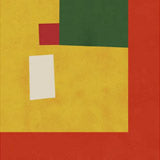
 Haystacks in Brittany
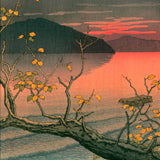
 A Farm in Brittany
 Fatata Te Miti
Gli anni a Tahiti, dipingere il mondo di cui aveva bisogno
L'intento dichiarato di Gauguin per il viaggio a Tahiti era diretto: «Parto per avere pace, per liberarmi dall'influenza della civiltà. Voglio fare solo arte semplice, molto semplice.» Al suo arrivo trovò un Tahiti già ampiamente plasmato dall'amministrazione coloniale francese e dall'attività missionaria cristiana, non il mondo primitivo che aveva immaginato. Reagì dipingendo il Tahiti di cui aveva bisogno, più che quello che trovò.
I dipinti tahitiani, realizzati nel corso di due lunghi soggiorni (1891-1893 e 1895-1903), costituiscono il nucleo della sua eredità. Ia Orana Maria (Ave Maria, 1891, Metropolitan Museum of Art, New York) trasferisce la Madonna con il Bambino in un lussureggiante paesaggio polinesiano, non un documento etnografico ma una completa reinvenzione spirituale. Mata Mua (Un tempo, 1892) raffigura un immaginato Tahiti precoloniale in verdi e terrecotte profondi e saturi. Where Do We Come From? What Are We? Where Are We Going? (1897-98, Museum of Fine Arts, Boston), il suo autoproclamato capolavoro, fu dipinto in un solo mese dopo un tentativo di suicidio fallito: un grande fregio letto da destra a sinistra come nascita, vita e morte.
Il mercante Ambroise Vollard fornì a Gauguin un anticipo mensile a fronte di acquisti annuali garantiti, gettando le basi commerciali per il suo mercato postumo. Lo scrittore W. Somerset Maugham romanzò la sua vita in La luna e sei soldi (1919), ampliando notevolmente la sua presenza nella cultura popolare per tutto il Novecento. La sua influenza diretta sulla pittura successiva è insolitamente vasta: il gruppo dei Nabis, Bonnard, Vuillard, Maurice Denis, si formò attorno alle sue idee mentre lui si trovava ancora a Tahiti. Matisse e i Fauves ne adottarono il colore saturo e non descrittivo. Kirchner e gli espressionisti tedeschi attinsero alla sua schiettezza emotiva. Picasso riconobbe che il suo confronto con le forme oceaniche gli aprì la strada al pensiero che portò al cubismo.
Sfoglia le stampe di Paul Gauguin su Kuriosis →
Perché vale la pena collezionare Gauguin
L'opera di Gauguin racchiude una rara combinazione di qualità che generano al tempo stesso un fascino duraturo per i collezionisti e per gli interni.
Chiarezza grafica
Campiture piatte di colore e contorni marcati, concepiti come piani visivi unificati. A differenza delle opere impressioniste che si ammorbidiscono a distanza, le composizioni di Gauguin mantengono il loro impatto anche osservate dall'altra parte di una stanza, sono state pensate proprio per questo.
Palette calda
Ocra, terracotta, verdi profondi, blu tropicali, una gamma cromatica che dona calore agli interni contemporanei senza risultare datata. La palette tahitiana è satura e vivace, in un modo che si adatta alla maggior parte degli ambienti interni.
Peso istituzionale
Opere importanti al Met, al MoMA, al MFA di Boston, al Courtauld, alla Tate e all'Albright-Knox. Questa profondità di presenza museale garantisce visibilità culturale attraverso le generazioni, Gauguin non è un nome che sbiadisce.
Fedeltà di stampa
La sua tecnica, colore piatto, contorno marcato, profondità attenuata, si riproduce con precisione eccezionale. Le qualità formali su cui ha lavorato di più sono esattamente quelle che si traducono in modo più pulito in una stampa d'arte archiviabile.
«L'arte è un'astrazione: traetela dalla natura sognando davanti a essa, e pensate più all'atto della creazione che al risultato.»
— Paul Gauguin
Scegliere il Gauguin giusto per la propria casa
L'opera di Gauguin si divide naturalmente in due fasi, la Bretagna e Tahiti, ciascuna capace di creare un'atmosfera distinta. Le tele tahitiane portano il colore come presenza fisica: se si cerca un quadro capace di dominare una stanza, sono queste le opere giuste. Fatata Te Miti funziona sopra una credenza o un tavolo da pranzo, dove la calda palette tropicale si percepisce anche dall'altra parte della stanza. Haystacks in Brittany, del periodo bretone, si inserisce bene in uno studio o in una camera da letto, dove una palette più fredda e contenuta si adatta meglio allo spazio.
Le opere bretoni, Haystacks in Brittany, A Farm in Brittany, sono più sobrie. La palette è più fredda e contenuta; trovano posto agevolmente in corridoi o sale di lettura senza dominarli. Si abbinano naturalmente ad altri paesaggi europei e funzionano bene raggruppate in due o tre, per una sequenza narrativa dello stesso periodo.
Per quanto riguarda il formato, la tela è una scelta forte per i soggetti tahitiani: la trama del tessuto aggiunge profondità ai campi di colore sovrapposti e richiama la superficie pittorica originale. Le opere bretoni su carta d'archivio, con cornice nera o in rovere, offrono una presentazione pulita e grafica, adatta agli interni contemporanei. Entrambi i formati sono realizzati nel nostro studio di Berlino su materiali pensati per durare ben oltre una vita.
Altre opere della collezione Gauguin:
 Haystacks in Brittany
 A Farm in Brittany
Perché stampe d'arte? L'approccio Kuriosis
Ogni stampa di Gauguin della nostra collezione è realizzata nel nostro studio di Berlino con inchiostri pigmentati d'archivio garantiti per oltre 100 anni, su carta d'archivio o tela. Le campiture piatte e i contorni marcati di Gauguin si riproducono con una fedeltà eccezionale; le qualità formali su cui ha lavorato di più sono esattamente quelle che si traducono più fedelmente nella stampa. Sfoglia qui l'intera collezione Gauguin.
Fonti e approfondimenti
- Wikipedia — Paul Gauguin — Biografia completa, tecnica, percorso professionale e periodo di Tahiti
- The Art Story — Paul Gauguin: Paintings, Bio, Ideas — Analisi di Sintetismo e Cloisonnismo, citazioni di Gauguin, contesto su Vollard
- The Metropolitan Museum of Art — Paul Gauguin (1848–1903) — Biografia istituzionale e opere in collezione, tra cui Ia Orana Maria
- Encyclopaedia Britannica — Paul Gauguin — Biografia, definizione del Sintetismo, influenza su Fauvismo, Espressionismo e Cubismo
- Tate — Paul Gauguin 1848–1903 — Panoramica dello stile e profilo istituzionale dell'artista