Every art print we make, on one page: thousands of motifs, from Japanese woodblock prints and Old Master paintings to scientific illustration and contemporary abstract work. Most of them come as a fine art print on paper and as a canvas print, and we print both to order in our Berlin studio. Hokusai and Haeckel are in here, and so are the artists we work with directly.
This is everything Kuriosis makes, the full catalog across every style, period, and artist we carry. The range covers three centuries of art: Edo-period Japanese woodblock masters like Hokusai and Hasui Kawase, European Old Masters and scientific illustrators like Ernst Haeckel and Maria Sibylla Merian, Art Nouveau poster design by Alphonse Mucha, and contemporary artists we collaborate with directly from our Berlin studio.
If you already know what you're looking for, the subcollections will get you there faster. Browse Japanese prints for woodblock and shin-hanga work, abstract art for geometric and minimalist compositions, botanical prints for scientific illustration, or vintage posters for Art Nouveau, Art Deco, and Belle Époque design.
Choosing Between Paper and Canvas
The format changes how a print reads on the wall. Matte fine art paper preserves crisp line work, precise colour transitions, and fine detail. It suits illustration, photography, typography, and graphic design. Paper prints are available in A3, 50×70cm, 70×100cm, and A0, with oak, black, or brown frames.
Canvas adds warmth and texture that suits painterly work. Impressionist paintings, abstract compositions, and atmospheric landscapes gain depth from the canvas surface that flat paper cannot replicate. Canvas prints come in 30×40cm, 50×70cm, and 70×100cm, with an optional floating frame that creates a 5mm shadow gap for a gallery finish.
If the original was painted, canvas is usually the right call. If it was drawn, printed, or photographed, paper preserves the precision better.
Sizing and Getting Started
Size matters more than subject when it comes to how a print reads in a room. A3 is smaller than most people expect once it's on a wall. For a standard living room, 50×70cm or 70×100cm is the right starting point. For a large wall or statement piece, A0 on paper or 70×100cm on canvas creates real presence.
For framing, oak is the most versatile option because it works with warm and cool palettes without competing with the art. Black frames sharpen contrast and suit graphic, geometric, and photographic work. Brown adds warmth for vintage and natural history subjects.
If this is your first purchase, our bestsellers show which art prints other customers choose and which work in very different interiors. If you'd rather start by style, try our modern prints for contemporary work or flower market posters for bold botanical colour.
Every print is produced in our Berlin studio using archival pigment inks rated for 100+ years.
The most common mistake when buying art prints is going too small. This guide covers every size we offer, room-by-room recommendations, the 60–75% wall coverage rule, and why you should...


 Retro Jazz Club Cat by Patryk KrygowskiFrom €25,99 EUR /
 Misty Mountain Sunbeams by Andy RitongaFrom €25,99 EUR /
 Blue Pool Geometry by Renate ReichertFrom €25,99 EUR /
 Jazz Cat Bass Player by Patryk KrygowskiFrom €25,99 EUR /
 Vintage Jazz Band by Patryk KrygowskiFrom €25,99 EUR /
 Vibrant Pond Crane by Nikita JariwalaFrom €25,99 EUR /
 Jazz In Central Park by Patryk KrygowskiFrom €25,99 EUR /
 Simple Orange Blooms by Wild VioletsFrom €25,99 EUR /
 Elegant Black Thrush by Josephin HermsdorfFrom €25,99 EUR /
 Ocean Gaze Swimmer by Andreas MagnussonFrom €25,99 EUR /
 Striped Cat Stretching by The Art ConceptFrom €25,99 EUR /
 Lake Yamanaka and Mt. Fuji by HasuiFrom €23,99 EUR /
 Joshu Hoshi Onsen by HasuiFrom €23,99 EUR /
 Zoologischer Garten ZooFrom €23,99 EUR /
 Berlin City Nightscape by Melanie ViolaFrom €25,99 EUR /
 Loving Mother Child Embrace by Bea MullerFrom €25,99 EUR /
 Flying Cranes Over Mount Fuji by NicholasFrom €25,99 EUR /
 Golden Fern Silhouettes by Wild VioletsFrom €25,99 EUR /
 Sicilian Memories 13 by Mareike BohmerFrom €25,99 EUR /
 Modern Architectural Curves by Theo LuycxFrom €25,99 EUR /
 Retro Jazz Musician by Patryk KrygowskiFrom €25,99 EUR /
 Japanese Crane Chrysanthemums by NicholasFrom €25,99 EUR /
 Fuck you by Raissa OltmannsFrom €25,99 EUR /
 Fly Agaric Botanical Study by Alexandra WeiseFrom €25,99 EUR /
 Flying Ink Crane by RodMacIverFrom €25,99 EUR /
 Delicate Yellow Blooms by Wild VioletsFrom €25,99 EUR /
 Sardines on Orange by Alice StrakerFrom €25,99 EUR /
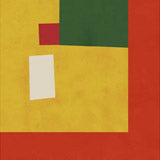
 7 A.M. New Year’s Morning by László Moholy-NagyFrom €23,99 EUR /
 Pear Tree by Gustav KlimtFrom €23,99 EUR /
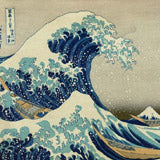
 The Great Wave of Kanagawa by HokusaiFrom €23,99 EUR /
 Bold Contemplation by ThingDesignFrom €25,99 EUR /
 Wine In Bed by FlowFrom €25,99 EUR /
 Vibrant Orange And Yellow Flowers by Susan BlackFrom €25,99 EUR /
 Early Autumn in Urayasu Art Print by HasuiFrom €23,99 EUR /
 Numazaki bokujo no hiru Midday rest Numazaki by Hiroshi YoshidaFrom €23,99 EUR /
 Keika hyakugiku Pl.27 by Keika HosegawaFrom €23,99 EUR /
 Sparkling Disco Ball by Samantha HearnFrom €25,99 EUR /
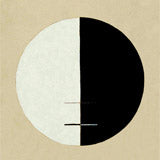
 Hilma af Klint The Ten Largest nr 2From €23,99 EUR /
 Metal Brushs nº1 by AlmaFrom €25,99 EUR /
 Long Time No See by Studio IMOFrom €25,99 EUR /
 Attersee 2 by Gustav KlimtFrom €23,99 EUR /
 Interference by Jazzberry BlueFrom €25,99 EUR /
 Cat in front of window in New York bright colours by Caroline Bonne MüllerFrom €25,99 EUR /
 Antique Blue WhaleFrom €23,99 EUR /
 Elegant Leopard Stretch by CATS AND DOTZFrom €25,99 EUR /
 Colorful Bird Gathering by Patryk KrygowskiFrom €25,99 EUR /
 Vintage Japanese Woodblock Print Nr 11From €23,99 EUR /
 Keika hyakugiku Pl.23 by Keika HosegawaFrom €23,99 EUR /
 Whispers of Dusk by MANSI SAXENAFrom €25,99 EUR /
 Serene Horizons by MANSI SAXENAFrom €25,99 EUR /
 14 by Julia PurintonFrom €25,99 EUR /
 Dreamy Wetlands by Dorothy FaganFrom €25,99 EUR /
 Mount Fuji Fujikawa by HasuiFrom €23,99 EUR /
 Stormy Horizon by Alice WhiteFrom €25,99 EUR /
 Fleur, the classic Vintage Flowers by Adolphe MillotFrom €23,99 EUR /
 Lousiana IV by Florent BodartFrom €25,99 EUR /
 Bauhaus - Three Sunflowers by CATS AND DOTZFrom €25,99 EUR /
 Striped Bird Pair by City ArtFrom €25,99 EUR /
 Retro Jazz Club by Patryk KrygowskiFrom €25,99 EUR /
 Autumn in OiraseFrom €23,99 EUR /
 Keika hyakugiku Pl.24 by Keika HosegawaFrom €23,99 EUR /
 Setting Sun, Ichinokura Art Print by KawaseFrom €23,99 EUR /
 Akisu Lake by HasuiFrom €23,99 EUR /
 Woman with Berry Bowl by Bea MullerFrom €25,99 EUR /
 Girl with wine at the beach by Raissa OltmannsFrom €25,99 EUR /
 Pensive Chess Player by Rushati ChowdhuryFrom €25,99 EUR /
 Sunlit Wildflowers by Henrike SchenkFrom €25,99 EUR /
 Tropical Honolulu Sunset by Patryk KrygowskiFrom €25,99 EUR /
 Cozy Tabletop Pomegranates by Bea MullerFrom €25,99 EUR /
 Ornate Green Door Facade by Henrike SchenkFrom €25,99 EUR /
 Devon Hill by Dan HobdayFrom €25,99 EUR /
 Fly TWA New York (1960) byFrom €23,99 EUR /
 Serene Striped Woman by Bea MullerFrom €25,99 EUR /
 Modern Terracotta Curves by Elena RistovaFrom €25,99 EUR /
 Desert Cactus Garden by Bethany YoungFrom €25,99 EUR /
 Cozy Dotted Woman by Bea MullerFrom €25,99 EUR /
 Loving Winter Embrace by Bea MullerFrom €25,99 EUR /
 Panda Resting in Tree by Alessandro CattaFrom €25,99 EUR /
 Noor by Rosana Laiz BlursbyaiFrom €25,99 EUR /
 Vibrant Tropical Toucan by Karen MenzenbachFrom €25,99 EUR /
 Me Gusta Mucho Stripes by OhkimikoFrom €25,99 EUR /
 Cheese Wine and Friends by OhkimikoFrom €25,99 EUR /
 Dreaming 1 by Mareike BohmerFrom €25,99 EUR /
 Fabulous Beach Day by AnnickFrom €25,99 EUR /
 By The Sea Coastal Scene by AnnickFrom €25,99 EUR /
 Summer Flower Field by Henrike SchenkFrom €25,99 EUR /
 Howdy Wild West Spirit by Melloi Art PrintsFrom €25,99 EUR /
 Elegant Japanese Crane Blooms by NicholasFrom €25,99 EUR /
 Paris Jazz Festival by Patryk KrygowskiFrom €25,99 EUR /
 Coastal Lemon Stand by Bethany YoungFrom €25,99 EUR /
 Pink Geometric Architecture by Linda WrideFrom €25,99 EUR /
 Blue Geometric Stairs by Linda WrideFrom €25,99 EUR /
 Beachside Mattress Dream by Bethany YoungFrom €25,99 EUR /
 Grand Brooklyn Bridge Shadows by Melanie ViolaFrom €25,99 EUR /
 Daisy Field Glow by Aimee GilesFrom €25,99 EUR /
 DUMBO Manhattan Bridge View by Melanie ViolaFrom €25,99 EUR /
 Retro Film Festival by Patryk KrygowskiFrom €25,99 EUR /
 Las Vegas – fly TWA (1962)From €23,99 EUR /
 Exotic Jungle Wildlife by Dan HobdayFrom €25,99 EUR /
 Good Times Tickets by Jolly and DashFrom €25,99 EUR /