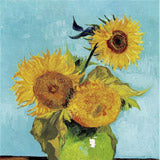
Vintage illustration from commercial and editorial design—decades when illustration was the dominant visual medium. Artistic confidence and commercial purpose perfectly aligned.
Vintage illustration (roughly 1880–1970) represents the commercial and editorial heart of visual culture during the era before photography became dominant. These are illustrations from book covers, magazine spreads, advertisements, packaging, and editorial assignments—moments when artistic skill and commercial need intersected brilliantly. The style varies enormously: meticulously realistic portraiture alongside bold graphic abstraction, romantic figurative work alongside austere modernist approaches. The collection spans decades and countries, showing how illustration evolved across the twentieth century. What unites these diverse works is their functional purpose—each illustration was created to serve a specific commercial or editorial goal while demonstrating considerable artistic skill. The confidence visible in vintage illustration reflects an era when illustrated communication was understood as an art form worthy of serious talent and investment. Vintage illustrators were celebrated artists whose work appeared in publications that valued visual quality. The colour palette in vintage work often displays the particular characteristics of printing techniques from specific eras. The brushwork and hand-rendered quality visible in these pieces is irreplaceable—this is how visual communication looked before digital tools. The collection documents the height of illustration's cultural importance.
Why Collectors Choose These Works
Collectors of vintage illustration value authenticity, cultural documentation, artistic confidence, and the material reality of illustrated works from specific eras. These pieces tell you genuinely how things looked and how people thought about visual communication during their time. They suit eclectic interiors, vintage-inspired spaces, creative studios, and homes with personality and historical awareness. Vintage illustration works particularly well in living spaces, kitchens, and everyday environments—the work was made to be lived with, not locked away in museums or galleries. A single vintage illustration can establish an aesthetic direction for an entire room or become part of a diverse collection that celebrates visual culture across decades. In creative environments, vintage illustration demonstrates respect for design and illustration history. The technical excellence of the work—the drawing skill, compositional sophistication, colour sense—improves the visual standard of any space. Collectors often find that vintage illustration develops increasingly rich meaning as historical context enriches understanding. A collection of vintage illustrations from different periods and countries creates a visual history of twentieth-century culture. These pieces age beautifully, developing subtle patina and warmth that newer works lack. Owning vintage illustration means owning evidence of how professional visual communication functioned before digital tools transformed the field.
How to Display & Frame
Vintage illustration benefits from warm, generous framing that honours the commercial heritage and material authenticity of the work. Oak frames feel authentically period-appropriate and warm, emphasizing the historical character without feeling overly precious. Walnut Brown adds sophistication and depth while maintaining accessibility and warmth. Black frames can work for high-contrast graphic designs but risk overly modernizing work from earlier eras. Display multiple vintage illustration pieces together in gallery wall arrangements that celebrate visual diversity and historical range. The visual interest increases as viewers notice stylistic evolution across decades and countries. Paper format (50×70cm) works well for most designs, and matte finish is essential—gloss reflection obscures the particular printing characteristics and colour qualities of the era. Group by designer, by era, by subject matter, or by visual theme depending on collection focus. The beauty of vintage illustration collecting is that pieces improve when surrounded by related objects—photographs, ephemera, decorative objects from the same periods create visual conversation and historical context. A vintage illustration collection becomes a gallery that teaches twentieth-century visual and commercial culture while creating a genuinely engaging and personal aesthetic that reflects the collector's tastes and interests.


 Lobster YellowFrom €23,99 EUR /
 Zoologischer Garten ZooFrom €23,99 EUR /
 Antique Blue WhaleFrom €23,99 EUR /
 Pyramid of Capitalism - VintageFrom €23,99 EUR /
 Mushroom Forest Print by Ernst HaeckelFrom €23,99 EUR /
 Antique Fish with UmbrellaFrom €23,99 EUR /
 The Future Belongs to the CuriousFrom €23,99 EUR /
 Geological Vintage EducationalFrom €23,99 EUR /
 ArtichokeFrom €23,99 EUR /
 CoffeeFrom €23,99 EUR /
 LÉGUMES etES POTAGÈRESFrom €23,99 EUR /
 Antique Red OctopusFrom €23,99 EUR /
 Antique LemonFrom €23,99 EUR /
 Antique Blue PeacockFrom €23,99 EUR /
 Le Poulpe ColossalFrom €23,99 EUR /
 Cheeses from Mrs. Beeton's Household ManagementFrom €23,99 EUR /
 Antique Champignon by Adolphe MillotFrom €23,99 EUR /
 Crustacean LobsterFrom €23,99 EUR /
 Fleur, the classic Vintage Flowers by Adolphe MillotFrom €23,99 EUR /
 DragonflyFrom €23,99 EUR /
 Birds of Paradise by Ernst HaeckelFrom €23,99 EUR /
 The Meandering Mississippi by Harold Fisk; Plate 22, Sheet 6From €23,99 EUR /
 William Morris Grass with Lavender Yellow and PinkFrom €23,99 EUR /
 The SwimmerFrom €23,99 EUR /
 Map of the Stars - North PoleFrom €23,99 EUR /
 Anatomical HeartFrom €23,99 EUR /
 Tournée du Chat NoirFrom €23,99 EUR /
 Absinthe Art NouveauFrom €23,99 EUR /
 Blowfish FishFrom €23,99 EUR /
 Antique WhalesFrom €23,99 EUR /
 Antique Octopus IVFrom €23,99 EUR /
 Antique Memento Mori SkullFrom €23,99 EUR /
 SortilègesFrom €23,99 EUR /
 Cats of Tokaido by KuniyoshiFrom €23,99 EUR /
 Synthesizers by Florent BodartFrom €25,99 EUR /
 Scene Moby DickFrom €23,99 EUR /
 Coffee KaffeebaumFrom €23,99 EUR /
 Copenhagen DenmarkFrom €23,99 EUR /
 Antique GiraffeFrom €23,99 EUR /
 Vintage Educational of MountainsFrom €23,99 EUR /
 Zoologischer Garten Monkey by GartenFrom €23,99 EUR /
 JellyfishesFrom €23,99 EUR /
 Red LobsterFrom €23,99 EUR /
 Tricolore BalloonFrom €23,99 EUR /
 The Meandering Mississippi by Harold Fisk; Plate 22, Sheet 7From €23,99 EUR /
 Antique Fruits by Adolphe MillotFrom €23,99 EUR /
 Zoologischer Garten FlamingoFrom €23,99 EUR /
 Orloff Horse & DogFrom €23,99 EUR /
 November Meteors by TrouvelotFrom €23,99 EUR /
 Viennese Café by Moritz JungFrom €23,99 EUR /
 Carte Celeste Art Print by AsterFrom €25,99 EUR /
 Poissons FishFrom €23,99 EUR /
 Japan Landscape In the Summer by NicholasFrom €25,99 EUR /
 Antique ArtichokeFrom €23,99 EUR /
 Hong KongFrom €23,99 EUR /
 Anemones by Ernst HaeckelFrom €23,99 EUR /
 Bitter Orange FlowerFrom €23,99 EUR /
 Cat Tennis by Florent BodartFrom €25,99 EUR /
 The Chromatic Scale of ColoursFrom €23,99 EUR /
 Antique Dinosaurs and FossilsFrom €23,99 EUR /
 Octopus PolypusFrom €23,99 EUR /
 Zonnebloem by Julie de GraagFrom €23,99 EUR /
 Lime Flower & Lemon FruitFrom €23,99 EUR /
 Stars and Planets by NicholasFrom €25,99 EUR /
 Anatomical HeartFrom €23,99 EUR /
 Antique Leaf IFrom €23,99 EUR /
 Oasis in SpaceFrom €23,99 EUR /
 Balloon Tricolore PinkFrom €23,99 EUR /
 Toucan du Para on GreenFrom €23,99 EUR /
 Fruits And Legumes Antique by Adolphe MillotFrom €23,99 EUR /
 Jubaea Spectabilis Palm Tree Art PrintFrom €23,99 EUR /
 Cat Wrestler by Florent BodartFrom €25,99 EUR /
 Papillons LarousseFrom €23,99 EUR /
 Synthesisers Club by Florent BodartFrom €25,99 EUR /
 RomaFrom €23,99 EUR /
 Physische ErdkarteFrom €23,99 EUR /
 Orchideae Lilly Flowers by Ernst HaeckelFrom €23,99 EUR /
 Cocoa KakaobaumFrom €23,99 EUR /
 Antique BrainFrom €23,99 EUR /
 Seascape and Seagulls by NicholasFrom €25,99 EUR /
 Costumes ParisiensFrom €23,99 EUR /
 Flamingo Zoologischer Garten by Julius KlingerFrom €23,99 EUR /
 Cannabis Sativa SchoolFrom €23,99 EUR /
 Advertisement for Lamps by Reijer StolkFrom €23,99 EUR /
 Human SkeletonFrom €23,99 EUR /
 Jungle SceneFrom €23,99 EUR /
 La Belle Dame Sans MerciFrom €23,99 EUR /
 Gamochonia by Ernst HaeckelFrom €23,99 EUR /
 Two Suns SpaceFrom €23,99 EUR /
 Louisiana Heron BirdFrom €23,99 EUR /
 Nature in descending Regions Educational VintageFrom €23,99 EUR /
 Great Barrier ReefFrom €23,99 EUR /
 Antique PenguinFrom €23,99 EUR /
 The Impossible Balloon - Vintage Transportation Sketch IdeaFrom €23,99 EUR /
 Flower Print Egyptian Water Lilly Temple of FloraFrom €23,99 EUR /
 Antique SnakeFrom €23,99 EUR /
 Pink Elephant AnimalFrom €23,99 EUR /
 Bauhausbücher 6 by Theo van DoesburgFrom €23,99 EUR /
 Grisebachia Belmoreana Palm Tree Art PrintFrom €23,99 EUR /
 Das Kleine Witz-Blatt by Julius KlingerFrom €23,99 EUR /