Japanese woodblock illustration and prints from centuries of mastery—techniques refined over generations, compositions of extraordinary sophistication. Visual art at its most disciplined and expressive.
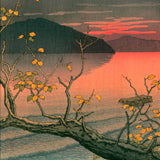
Japanese illustration encompasses several centuries of artistic practice unified by visual principles developed in relative isolation from European traditions: traditional ukiyo-e depicting the floating world, Edo-period landscape and genre illustrations, and Meiji-era shin-hanga representing new wave woodblock printing. What unites these diverse approaches is a visual language grounded in philosophy and refined through centuries of practice. Perspective is constructed differently from European conventions, suggesting depth through overlapping planes and atmospheric perspective rather than mathematical vanishing points. Colour is applied with extraordinary restraint—the most powerful images sometimes use only three or four colours, placed with precision. Composition follows principles unique to Japanese aesthetics, where empty space matters as much as depicted elements. The result is work that can appear deceptively simple—a few brushstrokes suggest entire landscapes, emotions, or narratives. This economy of means represents the result of extraordinary technical mastery and philosophical sophistication. Japanese illustration teaches a fundamentally different way of seeing and representing the world. Each brushstroke carries intentionality; nothing is accidental or decorative. The collection represents centuries of visual refinement and artistic discipline.
Why Collectors Choose These Works
Collectors of Japanese illustration are drawn to its philosophical depth, visual refinement, and the way it teaches new ways of seeing. The compositions reward sustained looking—subtle details, spatial relationships, and colour harmonies emerge over time. These works suit minimalist interiors, spaces influenced by Japanese aesthetics, modern homes designed around visual appreciation, and creative studios where inspiration and visual thinking matter daily. A single Japanese print can anchor an entire room, establishing an aesthetic standard of restraint, precision, and contemplation. A collection of Japanese illustrations creates a meditation space, a visual library of different approaches to composition, space, and meaning-making. Collectors recognize that Japanese illustration represents a complete aesthetic system different from Western artistic traditions. Owning these works means engaging with a different visual language and philosophical approach to art and life. In any space, Japanese illustration signals that the owner appreciates visual sophistication, cultural literacy, and contemplation. These pieces never feel dated or trendy—the principles underlying them transcend fashion and historical moment. The work improves with time; deeper engagement reveals new layers of meaning and visual subtlety. Collectors often find themselves drawn deeper into Japanese aesthetic principles and visual culture through initial engagement with the art.
How to Display & Frame
Japanese illustration deserves simple, refined framing that honours the composition's geometry and respects the handmade quality of the work. Black frames emphasize compositional structure and create clean visual boundaries; natural wood frames (Oak, Walnut Brown) warm the work and emphasize its handmade character. The choice depends on the individual piece and your space—lighter images might benefit from black frames for definition, while darker or more atmospheric pieces work beautifully with warm natural frames. Matte finish on fine art paper is essential—glass reflection contradicts the aesthetic principles underlying Japanese art. Paper format (50×70cm, A3) is ideal scale, permitting full engagement with compositional relationships and subtle details without overwhelming the space. Display Japanese illustrations singly in dedicated wall space rather than in dense gallery walls—negative space surrounding the image is essential to Japanese aesthetics. The empty wall becomes part of the artwork's composition. A single print can be the sole artwork in a room, creating a meditation-like viewing experience. If displaying multiple pieces, group them thoughtfully with significant spacing between them. Pair with natural materials, minimal decoration, and restful colour palettes to create a space that honours Japanese aesthetic principles. In such settings, Japanese illustration becomes a teaching object, a daily lesson in beauty, discipline, and contemplation.


 Road to Nikko by HasuiFrom €23,99 EUR /
 Morning Sea at Shiribeshi by HasuiFrom €23,99 EUR /
 Morning of Cape Inubo by HasuiFrom €23,99 EUR /
 Nenokuchi Lake by HasuiFrom €23,99 EUR /
 Red Cranes KimonoFrom €23,99 EUR /
 Joshu Hoshi Onsen by HasuiFrom €23,99 EUR /
 Mount Fuji from Lake Yamanaka by Takahashi ShōteiFrom €23,99 EUR /
 Ioridani Pass, Etchu by HasuiFrom €23,99 EUR /
 Spring in Arashiyama by HasuiFrom €23,99 EUR /
 Geisha in the snow by HasuiFrom €23,99 EUR /
 Samurai Frogs by Utagawa KuniyoshiFrom €23,99 EUR /
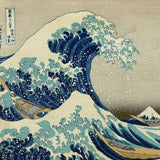
 The Great Wave of Kanagawa by HokusaiFrom €23,99 EUR /
 Lake Yamanaka and Mt. Fuji by HasuiFrom €23,99 EUR /
 Autumn in OiraseFrom €23,99 EUR /
 Shuzenji in Rain Art Print by HasuiFrom €23,99 EUR /
 7 Birds Japanese by KorinFrom €23,99 EUR /
 Early Autumn in Urayasu Art Print by HasuiFrom €23,99 EUR /
 Setting Sun, Ichinokura Art Print by KawaseFrom €23,99 EUR /
 Tsuruokahachimangu by HasuiFrom €23,99 EUR /
 Green Peacock by KosonFrom €23,99 EUR /
 Tenno Temple, Osaka by HasuiFrom €23,99 EUR /
 Mount Fuji Fujikawa by HasuiFrom €23,99 EUR /
 Keegon Waterfalls at Nikko by HasuiFrom €23,99 EUR /
 Morning at Onegishi by HasuiFrom €23,99 EUR /
 Japanese flock of cranes by Ishida YūteiFrom €23,99 EUR /
 Nikkō Chūzenji Lake, Utagahama Art Print by HasuiFrom €23,99 EUR /
 Morning in the Beppu by HasuiFrom €23,99 EUR /
 Akisu Lake by HasuiFrom €23,99 EUR /
 Great Buddha at Kamakura by HasuiFrom €23,99 EUR /
 Full Moon At Gamo Art Print by HasuiFrom €23,99 EUR /
 Hachirōgata Lagoon, Akita Art Print By HasuiFrom €23,99 EUR /
 Chichibu In The Evening Art Print by HasuiFrom €23,99 EUR /
 A Little Restaurant at Night by Hiroshi YoshidaFrom €23,99 EUR /
 Vintage Japanese Woodblock Print Nr 11From €23,99 EUR /
 Kasuga Shrine Art Print By HasuiFrom €23,99 EUR /
 Nigatsudo Temple, Nara by HasuiFrom €23,99 EUR /
 Harbour Sunset by HasuiFrom €23,99 EUR /
 Morning at Tsutanuma Pond Art Print HasuiFrom €23,99 EUR /
 Japan at night by ShirôFrom €23,99 EUR /
 Fuji no Yukei by Utagawa KuniyoshiFrom €23,99 EUR /
 Asama Shrine in Shizuoka Art Print by HasuiFrom €23,99 EUR /
 Kamedonofuji Art Print by HasuiFrom €23,99 EUR /
 Kōjaku cavern at Oga Peninsula Art Print by HasuiFrom €23,99 EUR /
 Japanese Fishermen by HasuiFrom €23,99 EUR /
 The Tiger of Ryokoku by HirokageFrom €23,99 EUR /
 Kiyomizu Hall, Ueno by HasuiFrom €23,99 EUR /
 White Phoenix by Kamisaka SekkaFrom €23,99 EUR /
 Cranes from Momoyogusa-Flowers by SekkaFrom €23,99 EUR /
 Hansen gozen Sailing boats forenoon 1926 by Hiroshi YoshidaFrom €23,99 EUR /
 Mount Ashitaka by Takahashi ShōteiFrom €23,99 EUR /
 Zaimoku Island in Matsushima by HasuiFrom €23,99 EUR /
 Numazaki bokujo no hiru Midday rest Numazaki by Hiroshi YoshidaFrom €23,99 EUR /
 Shimotsuke Waterfall by HokusaiFrom €23,99 EUR /
 Souemoncho Night Art Print by HasuiFrom €23,99 EUR /
 Fuji from Narusawa village by HasuiFrom €23,99 EUR /
 Spring Evening at Inokashira Park by HasuiFrom €23,99 EUR /
 Shogetsuin Temple, Ito Art Print by HasuiFrom €23,99 EUR /
 Keika hyakugiku Pl.27 by Keika HosegawaFrom €23,99 EUR /
 Wave and boat with Mount Fuji by Utagawa HiroshigeFrom €23,99 EUR /
 Blue lake by Taguchi TomokiFrom €23,99 EUR /
 Wheatear in Bamboo by Ohara KosonFrom €23,99 EUR /
 The Zensetsu Temple in Sanshu by HasuiFrom €23,99 EUR /
 Japanese Bamboo II by Yamamoto BaiitsuFrom €23,99 EUR /
 White Cranes in RedFrom €23,99 EUR /
 Yoro Waterfall by HokusaiFrom €23,99 EUR /
 Hodakayama 1926 by Hiroshi YoshidaFrom €23,99 EUR /
 Bamboo by Kōno BaireiFrom €23,99 EUR /
 Meguro Fudo Temple Art Print by HasuiFrom €23,99 EUR /
 Shinagawa Art Print by HasuiFrom €23,99 EUR /
 Black Horseman on Bamboo by Ohara KosonFrom €23,99 EUR /
 Akita Tsuchizaki by HasuiFrom €23,99 EUR /
 Ōmori Coast Art Print by HasuiFrom €23,99 EUR /
 Keika hyakugiku Pl.24 by Keika HosegawaFrom €23,99 EUR /
 7 Birds by Korin in RedFrom €23,99 EUR /
 Fireworks at Ikenohata by Kobayashi KyochikaFrom €23,99 EUR /
 Late Autumn in Ichikawa Art Print by HasuiFrom €23,99 EUR /
 Selected Views of the Tokaido Lake Art Print by HasuiFrom €23,99 EUR /
 The Floating Pavilion by Tsuchiya KôitsuFrom €23,99 EUR /
 Pink Sky JapaneseFrom €23,99 EUR /
 Lake Chuzenji by Takahashi ShōteiFrom €23,99 EUR /
 Rocks on The Kiso River by HasuiFrom €23,99 EUR /
 Derii no Juma Mashiddo Jama Masjid Delhi 1931 by Hiroshi YoshidaFrom €23,99 EUR /
 Japanese Robe by Watanabe SeiteiFrom €23,99 EUR /
 Bamboo by Yamamoto BaiitsuFrom €23,99 EUR /
 Cherry Blossoms in the Night by HasuiFrom €23,99 EUR /
 Shinrin no miya A shrine in the deep woods 1940 by Hiroshi YoshidaFrom €23,99 EUR /
 Keika hyakugiku Pl.23 by Keika HosegawaFrom €23,99 EUR /
 Keika hyakugiku Pl.30 by Keika HosegawaFrom €23,99 EUR /
 Two Women in the Rain by Ohara KosonFrom €23,99 EUR /
 Mount Fuji Red by Katsushika HokusaiFrom €23,99 EUR /
 Onuma Park in Hokkaido Art Print by HasuiFrom €23,99 EUR /
 Kumagai Dairaidou Shrine by HasuiFrom €23,99 EUR /
 Kisogawa Kiso River 1927 by Hiroshi YoshidaFrom €23,99 EUR /
 Bamboo and rising sun by Utagawa KunimaruFrom €23,99 EUR /
 Red Temple by HasuiFrom €23,99 EUR /
 The White Macaw by Ito JakuchuFrom €23,99 EUR /
 Mt Fuji Seen from the River Banyu Art Print by HasuiFrom €23,99 EUR /
 The Jumantsubo Plain at Susaki near Fukagawa by HiroshigeFrom €23,99 EUR /
 Fuwatepuuru Shikuri A Window in Fatehpur-Sikri 1931 by Hiroshi YoshidaFrom €23,99 EUR /
 Japanese Bamboo by Yamamoto Baiitsu BottomFrom €23,99 EUR /