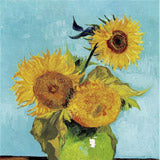
Japanese painting traditions spanning centuries—from classical scroll painting through Edo-period masters to modern interpretations. Visual sophistication rooted in philosophy and craft discipline.
Japanese painting encompasses multiple centuries and distinct traditions unified by principles developed over centuries: ink painting on paper and silk, colour application techniques refined through practice, compositional approaches grounded in Zen Buddhist philosophy and Daoist principles. The traditions include monochromatic ink painting suggesting depth through brushwork and suggestion, polychrome painting on silk combining colour with careful composition, and modern interpretations that build on classical traditions. Space is suggested rather than literally depicted; colour is applied with extraordinary restraint; composition follows mathematical and philosophical principles rather than European linear perspective. The result is work that can appear deceptively simple—a few brushstrokes suggest entire landscapes, communicate emotional states, or represent spiritual concepts. This economy of means represents not limitation but sophistication—the result of centuries of technical mastery and philosophical refinement. Japanese painting teaches that what is omitted matters as much as what is depicted. The negative space is active, not empty. The simplicity is achieved through complexity of thought and years of disciplined practice. Each painting represents a complete aesthetic system where technique, philosophy, and artistic intention are inseparable.
Why Collectors Choose These Works
Collectors of Japanese painting are drawn to its philosophical depth, visual refinement, and the distinct way it teaches alternative approaches to seeing and representation. The compositions reward sustained, meditative looking—subtle details, spatial relationships, colour harmonies, and conceptual depths reveal themselves over time. These works suit minimalist interiors, spaces influenced by Japanese aesthetics and Zen philosophy, contemporary homes designed around contemplation and visual appreciation, and creative studios where contemplation informs creative work. A single Japanese painting can anchor an entire room, establishing an aesthetic standard of restraint, precision, and philosophical depth. A collection of paintings from different periods and artists creates a visual library of approaches to landscape, portraiture, and abstract composition. Collectors recognize that Japanese painting represents a complete visual and philosophical system fundamentally different from Western artistic traditions. Owning these works means engaging with a different language for visual communication and thought. In any space, Japanese painting signals sophistication, cultural literacy, and commitment to contemplation and learning. The work never feels dated or trendy—the principles underlying it transcend historical fashion. Repeated engagement with Japanese painting deepens understanding and reveals layers of meaning invisible in initial viewing. Collectors often find themselves drawn into deeper study of Japanese aesthetics, philosophy, and culture through initial engagement with the visual art.
How to Display & Frame
Japanese painting deserves simple, restrained framing that honours the composition's geometry and respects both the handmade quality and philosophical principles underlying the work. Black frames emphasize compositional structure and create clean visual boundaries for geometric or architectural compositions; natural frames (Oak, Walnut Brown) warm the work while emphasizing its handmade character and aesthetic accessibility. The choice depends on the individual painting's character and your space's existing aesthetic. Matte finish on fine art paper is absolutely essential—glass reflection contradicts the aesthetic principles and philosophical foundations of Japanese art, creating visual interference rather than clarity. Paper format (50×70cm, A3) is ideal scale, permitting full engagement with compositional relationships and subtle brushwork details without overwhelming the viewing space. Display Japanese paintings singly in dedicated wall space with significant negative space surrounding the image—empty space becomes part of the artwork's composition and aesthetic message. A single painting alone in a room creates a meditation-like viewing experience where the work receives undivided contemplation. If displaying multiple paintings, group them thoughtfully with conscious spacing between pieces that respects each work's individual integrity. Pair with natural materials, minimal colour, restful palettes, and uncluttered surroundings to create spaces that honour Japanese aesthetic principles. In such carefully considered settings, Japanese painting becomes a teaching object, a daily lesson in beauty, discipline, restraint, and contemplation that enriches daily life.


 Flowing Kimono Patterns by THE MIUUS STUDIOFrom €25,99 EUR /
 Bairei hyakucho gafu. Ten Pl.13 by Kono BaireiFrom €23,99 EUR /
 Bairei hyakucho gafu. Ten Pl.34 by Kono BaireiFrom €23,99 EUR /
 Woman after a bath by Gōyo HashiguchiFrom €23,99 EUR /
 Bairei hyakucho gafu. Ten Pl.28 by Kono BaireiFrom €23,99 EUR /
 Bairei hyakucho gafu. Ten Pl.16 by Kono BaireiFrom €23,99 EUR /
 Birds on a Branch by Watanabe SeiteiFrom €23,99 EUR /
 Bairei hyakucho gafu. Ten Pl.19 by Kono BaireiFrom €23,99 EUR /
 Bairei hyakucho gafu. Ten Pl.27 by Kono BaireiFrom €23,99 EUR /
 Fish (1887) by Watanabe SeiteiFrom €23,99 EUR /
 Bird Catching Fish Among Reeds by Watanabe SeiteiFrom €23,99 EUR /
 Bairei hyakucho gafu. Ten Pl.15 by Kono BaireiFrom €23,99 EUR /
 Woman applying powder by Gōyo HashiguchiFrom €23,99 EUR /
 Woman Combing Her Hair by Gōyo HashiguchiFrom €23,99 EUR /
 Birds on a Flowering Branch (1887) by Watanabe SeiteiFrom €23,99 EUR /
 Bairei hyakucho gafu. Ten Pl.14 by Kono BaireiFrom €23,99 EUR /
 Woman in Summer Dress by Gōyo HashiguchiFrom €23,99 EUR /
 Bairei hyakucho gafu. Ten Pl.18 by Kono BaireiFrom €23,99 EUR /
 Bairei hyakucho gafu. Ten Pl.04 by Kono BaireiFrom €23,99 EUR /
 Bairei hyakucho gafu. Ten Pl.21 by Kono BaireiFrom €23,99 EUR /
 Waitress with a Red Traya Maid by Gōyo HashiguchiFrom €23,99 EUR /
 Pigeons in a Tree by Watanabe SeiteiFrom €23,99 EUR /
 Pl.090 by Kawasaki KyosenFrom €23,99 EUR /
 Bairei hyakucho gafu. Ten Pl.12 by Kono BaireiFrom €23,99 EUR /
 Woman after bath 1920 by Gōyo HashiguchiFrom €23,99 EUR /
 Three Birds on Branch by Watanabe SeiteiFrom €23,99 EUR /
 Bairei hyakucho gafu. Ten Pl.11 by Kono BaireiFrom €23,99 EUR /
 Toys Pl.009 by Kawasaki KyosenFrom €23,99 EUR /
 Bairei hyakucho gafu. Ten Pl.17 by Kono BaireiFrom €23,99 EUR /
 Bairei hyakucho gafu. Ten Pl.01 by Kono BaireiFrom €23,99 EUR /
 Woman Applying Rouge by Gōyo HashiguchiFrom €23,99 EUR /
 Bairei hyakucho gafu. Ten Pl.06 by Kono BaireiFrom €23,99 EUR /
 Toys Pl by Kawasaki KyosenFrom €23,99 EUR /
 Bairei hyakucho gafu. Ten Pl.25 by Kono BaireiFrom €23,99 EUR /
 Pl.058 by Kawasaki KyosenFrom €23,99 EUR /
 Pl.097 by Kawasaki KyosenFrom €23,99 EUR /
 Hot Spring Inn by Gōyo HashiguchiFrom €23,99 EUR /
 Pl.054 by Kawasaki KyosenFrom €23,99 EUR /
 Pl.064 by Kawasaki KyosenFrom €23,99 EUR /