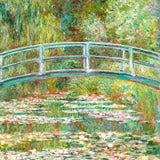
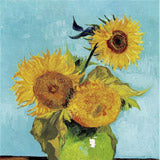
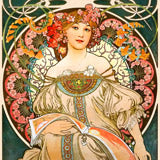
About This Collection
This collection gathers vintage work (roughly 1880–1980) across mediums that resonates beautifully with contemporary interiors and current sensibilities. These are not museum pieces treated as historical artifacts requiring preservation and distance, but rather images that function visually in modern living spaces and creative environments. The curatorial logic acknowledges that many vintage works—illustration, design, photography—were created for everyday contexts, not gallery walls. They belonged in homes, offices, publications, and public spaces. That functional rootedness makes them integrate naturally with contemporary life. Vintage design, for example, was made to work in living spaces; vintage illustration appeared in magazines and books people engaged with regularly; vintage photography documented everyday life. Displaying this work in contemporary contexts honors its original purpose while bringing twentieth-century visual culture into conversation with today's aesthetics. The collection shows that vintage work doesn't require period-appropriate surroundings to function beautifully. A 1940s illustration looks stunning in a contemporary minimalist room; a 1960s photograph enhances a modern studio. The visual qualities that made these works successful—composition, colour, clarity—transcend their historical moment. The collection challenges the idea that historical work belongs only in historical contexts.
Why Collectors Choose This Collection
Collectors of this blend value visual authenticity and historical character without sacrificing contemporary comfort and aesthetic alignment. These pieces often have the warmth, character, and material authenticity that modern work sometimes lacks, yet they integrate beautifully with contemporary design. The collection suits eclectic interiors, creative studios, homes with personality, and spaces that don't require stylistic cohesion or historical purity. Vintage work actually improves when mixed with contemporary elements and other eras—the visual diversity is part of the aesthetic power. These pieces work beautifully in living spaces, kitchens, studios, and everyday environments where art is lived with rather than displayed pristinely. In creative environments, vintage work demonstrates respect for design and artistic history while maintaining contemporary relevance. The collection shows that contemporary and historical work can coexist without conflict. Collectors recognize that appreciating vintage work while living in contemporary spaces makes sense—these pieces were created when people lived with art daily, not in protected museum contexts. A collection of vintage and contemporary work together creates atmosphere of visual culture spanning time, showing both where art came from and where it's going. These pieces improve spaces by bringing character, visual depth, and connection to twentieth-century culture while maintaining contemporary functionality.
How to Build Your Gallery
Start with vintage pieces that genuinely appeal to you—illustration, design, photography from eras and styles that resonate. These anchor the collection and establish your vintage aesthetic foundation. Then add contemporary work that echoes or complements their qualities—not matching era but complementary visual sensibility. Warm, natural framing (Oak, Walnut Brown) creates visual unity despite diverse imagery, establishing immediate cohesion. This framing approach is particularly important since the collection spans eras—consistent frames tie disparate pieces together. Mix scales and densities—vintage illustration can pair with contemporary photography, vintage design with modern painting. The aesthetic is intentional eclecticism: every piece matters visually, the overall effect is curated rather than accidental. Allow your gallery to grow organically as you discover pieces that speak to you. Don't force period- or style-appropriate matching—permit genuine aesthetic response guide acquisitions. The result is authentic, personally meaningful collection reflecting your taste and engagement with twentieth-century culture while maintaining contemporary relevance. These pieces thrive in lived-in spaces, around other objects, mixed with ephemera and contemporary elements. The collection tells your story of visual literacy across history, showing appreciation for both historical authenticity and contemporary sensibility. Gallery walls continue evolving as engagement deepens, creating ever-richer visual narrative.
Related Collections
Vintage illustration and design
Vintage photography and art
Contemporary modern art
Vintage design collection


 Cat on sofa in London pastel colours by Caroline Bonne MüllerFrom €25,99 EUR /