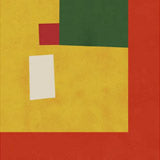
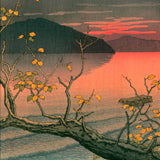
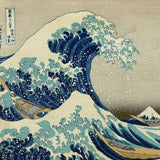
The latest Japanese art prints added to the Kuriosis catalog — woodblock landscapes, shin-hanga, botanical studies, and bird prints by masters like Hiroshi Yoshida and Kono Bairei. Printed in our Berlin studio.
This page collects the newest Japanese art prints added to the Kuriosis catalog. The Japanese collection is one of our largest and most developed — spanning Edo-period ukiyo-e, Meiji-era woodblock prints, the shin-hanga movement of the early 20th century, and traditional botanical and bird studies. New additions include works by Hiroshi Yoshida, Kono Bairei, Keika Hasegawa, and other masters whose prints defined Japanese visual culture across several centuries.
The range of subjects reflects the breadth of the tradition: mountain landscapes, harbour scenes, chrysanthemum studies, birds in natural settings, and nighttime street views. What connects them is the woodblock printing technique — the flat colour planes, the precise line work, and the relationship between negative space and composition that makes Japanese prints immediately recognisable.
Woodblock Masters and Shin-Hanga
The shin-hanga movement, active from the 1910s through the 1960s, revived traditional woodblock techniques with a modern sensibility. Artists like Hiroshi Yoshida brought Western perspective and atmospheric light to the Japanese print format, creating landscapes that feel both traditional and contemporary. His mountain scenes and coastal views remain among the most collected Japanese prints worldwide. Alongside shin-hanga, you will find earlier works — Kono Bairei's bird studies from the 1880s, Keika Hasegawa's chrysanthemum plates, and other Meiji-period material that documents the natural world with scientific precision and visual grace.
Every print is reproduced in our Berlin studio using archival pigment inks on 225g matte fine art paper. The matte surface is a natural match for woodblock art — it keeps the flat colour fields and fine line detail that define the medium. Paper prints are available in A3, 50×70 cm, 70×100 cm, and A0. Framing options include oak, black, and walnut brown.
Explore the Full Japanese Collection
This page shows recent additions only. For the complete range of Japanese art prints, visit the full Japanese art collection. You can also browse by artist — Hiroshi Yoshida, Hasui Kawase, or Hokusai — or explore related styles like our vintage poster prints and botanical prints.
From Edo-period ukiyo-e to the 20th-century shin-hanga revival — the history, technique, and collector's guide to Japanese woodblock prints. How they shaped Western art, what to look for when buying,...
Kawase Hasui (1883–1957) produced more than 600 woodblock print designs and became Japan’s first Living National Treasure printmaker. This collector’s guide covers his biography, the shin-hanga technique, what drives value...
A collector's guide to Katsushika Hokusai — the artist who changed his name thirty times, worked until his death at eighty-eight, and produced The Great Wave as one of 46...


 Woman Applying Rouge by Gōyo HashiguchiFrom €23,99 EUR /
 The Amida Falls in the Far Reaches of the Kisokaidō Road by Katsushika HokusaiFrom €23,99 EUR /
 Lilies by Katsushika HokusaiFrom €23,99 EUR /
 Kannon Shrine at Kiyo Falls by Katsushika HokusaiFrom €23,99 EUR /
 Falls of Ono on the Kisokaidō by Katsushika HokusaiFrom €23,99 EUR /
 Falls of Aoigaoka in the Eastern Capital by Katsushika HokusaiFrom €23,99 EUR /
 Sōshū hakone kosui by Katsushika HokusaiFrom €23,99 EUR /
 Peonies and Canary by Katsushika HokusaiFrom €23,99 EUR /
 Irises and Grasshopper by Katsushika HokusaiFrom €23,99 EUR /
 Enoshima in Sagami Province by Katsushika HokusaiFrom €23,99 EUR /
 Edo nihonbashi by Katsushika HokusaiFrom €23,99 EUR /
 Fukagawa mannenbashi sita by Katsushika HokusaiFrom €23,99 EUR /
 Birds on a Branch by Watanabe SeiteiFrom €23,99 EUR /
 Woman after a bath by Gōyo HashiguchiFrom €23,99 EUR /
 Fish (1887) by Watanabe SeiteiFrom €23,99 EUR /
 Pl.090 by Kawasaki KyosenFrom €23,99 EUR /
 Waitress with a Red Traya Maid by Gōyo HashiguchiFrom €23,99 EUR /
 Bird Catching Fish Among Reeds by Watanabe SeiteiFrom €23,99 EUR /
 Toys Pl.009 by Kawasaki KyosenFrom €23,99 EUR /
 Woman in Summer Dress by Gōyo HashiguchiFrom €23,99 EUR /
 Pigeons in a Tree by Watanabe SeiteiFrom €23,99 EUR /
 Toys Pl by Kawasaki KyosenFrom €23,99 EUR /
 Pl.097 by Kawasaki KyosenFrom €23,99 EUR /
 Pl.058 by Kawasaki KyosenFrom €23,99 EUR /
 Woman Combing Her Hair by Gōyo HashiguchiFrom €23,99 EUR /
 Woman applying powder by Gōyo HashiguchiFrom €23,99 EUR /
 Three Birds on Branch by Watanabe SeiteiFrom €23,99 EUR /
 Birds on a Flowering Branch (1887) by Watanabe SeiteiFrom €23,99 EUR /
 Pl.064 by Kawasaki KyosenFrom €23,99 EUR /
 Pl.054 by Kawasaki KyosenFrom €23,99 EUR /
 Woman after bath 1920 by Gōyo HashiguchiFrom €23,99 EUR /
 Hot Spring Inn by Gōyo HashiguchiFrom €23,99 EUR /
 A Little Restaurant at Night by Hiroshi YoshidaFrom €23,99 EUR /
 Hansen gozen Sailing boats forenoon 1926 by Hiroshi YoshidaFrom €23,99 EUR /
 Keika hyakugiku Pl.27 by Keika HosegawaFrom €23,99 EUR /
 Hodakayama 1926 by Hiroshi YoshidaFrom €23,99 EUR /
 Bairei hyakucho gafu. Ten Pl.13 by Kono BaireiFrom €23,99 EUR /
 Bairei hyakucho gafu. Ten Pl.34 by Kono BaireiFrom €23,99 EUR /
 Keika hyakugiku Pl.24 by Keika HosegawaFrom €23,99 EUR /
 Numazaki bokujo no hiru Midday rest Numazaki by Hiroshi YoshidaFrom €23,99 EUR /
 Bairei hyakucho gafu. Ten Pl.28 by Kono BaireiFrom €23,99 EUR /
 Bairei hyakucho gafu. Ten Pl.16 by Kono BaireiFrom €23,99 EUR /
 Kisogawa Kiso River 1927 by Hiroshi YoshidaFrom €23,99 EUR /
 Shinrin no miya A shrine in the deep woods 1940 by Hiroshi YoshidaFrom €23,99 EUR /
 Keika hyakugiku Pl.30 by Keika HosegawaFrom €23,99 EUR /
 Fuwatepuuru Shikuri A Window in Fatehpur-Sikri 1931 by Hiroshi YoshidaFrom €23,99 EUR /
 Derii no Juma Mashiddo Jama Masjid Delhi 1931 by Hiroshi YoshidaFrom €23,99 EUR /
 Zo Elephant 1931 by Hiroshi YoshidaFrom €23,99 EUR /
 Keika hyakugiku Pl.12 1893 by Keika HosegawaFrom €23,99 EUR /
 Golden pagoda in Rangoon - 1931 by Hiroshi YoshidaFrom €23,99 EUR /
 Keika hyakugiku Pl.23 by Keika HosegawaFrom €23,99 EUR /
 Keika hyakugiku Pl.18 by Keika HosegawaFrom €23,99 EUR /
 Keika hyakugiku Pl.15 1893 by Keika HosegawaFrom €23,99 EUR /
 Bairei hyakucho gafu. Ten Pl.27 by Kono BaireiFrom €23,99 EUR /
 Bairei hyakucho gafu. Ten Pl.15 by Kono BaireiFrom €23,99 EUR /
 Keika hyakugiku Pl.19 by Keika HosegawaFrom €23,99 EUR /
 Keika hyakugiku Pl.16 by Keika HosegawaFrom €23,99 EUR /
 Bairei hyakucho gafu. Ten Pl.19 by Kono BaireiFrom €23,99 EUR /
 Keika hyakugiku Pl.33 by Keika HosegawaFrom €23,99 EUR /
 Keika hyakugiku Pl.28 by Keika HosegawaFrom €23,99 EUR /
 Keika hyakugiku Pl.08 1893 by Keika HosegawaFrom €23,99 EUR /
 Keika hyakugiku Pl.04 by Keika HosegawaFrom €23,99 EUR /
 Bairei hyakucho gafu. Ten Pl.18 by Kono BaireiFrom €23,99 EUR /
 Eight Scenes of Cherry Blossom Arashiyama 1935 by Hiroshi YoshidaFrom €23,99 EUR /
 Daibutsu sanmon 1940 by Hiroshi YoshidaFrom €23,99 EUR /
 Keika hyakugiku Pl.32 by Keika HosegawaFrom €23,99 EUR /
 Keika hyakugiku Pl.26 by Keika HosegawaFrom €23,99 EUR /
 Bairei hyakucho gafu. Ten Pl.17 by Kono BaireiFrom €23,99 EUR /
 Bairei hyakucho gafu. Ten Pl.14 by Kono BaireiFrom €23,99 EUR /
 Bairei hyakucho gafu. Ten Pl.11 by Kono BaireiFrom €23,99 EUR /
 Bairei hyakucho gafu. Ten Pl.04 by Kono BaireiFrom €23,99 EUR /
 Summit of Mount Fuji 1928 by Hiroshi YoshidaFrom €23,99 EUR /
 Soshu Suzhou - 1940 by Hiroshi YoshidaFrom €23,99 EUR /
 Samidare Arakawa Early summer rain at Arakawa 1940 by HasuiFrom €23,99 EUR /
 The Lady's Graphic - Janurary 1907 - New Year with Narcissus Flowers by Mitsutani KunishiroFrom €23,99 EUR /
 The Lady's Graphic - August 1907 - Garden Trellis by Mitsutani KunishiroFrom €23,99 EUR /
 Keika hyakugiku Pl.31 by Keika HosegawaFrom €23,99 EUR /
 Keika hyakugiku Pl.25 by Keika HosegawaFrom €23,99 EUR /
 Keika hyakugiku Pl.10 1893 by Keika HosegawaFrom €23,99 EUR /
 Keika hyakugiku Pl.07 1893 by Keika HosegawaFrom €23,99 EUR /
 Bairei hyakucho gafu. Ten Pl.25 by Kono BaireiFrom €23,99 EUR /
 Bairei hyakucho gafu. Ten Pl.21 by Kono BaireiFrom €23,99 EUR /
 Bairei hyakucho gafu. Ten Pl.06 by Kono BaireiFrom €23,99 EUR /
 Bairei hyakucho gafu. Ten Pl.01 by Kono BaireiFrom €23,99 EUR /
 Snow at Kashiwabara by Hiroshi YoshidaFrom €23,99 EUR /
 Yanagi ni shakkyo Willow and stone bridge by Hiroshi YoshidaFrom €23,99 EUR /
 Obatan omu Obatan parrot 1926 by Hiroshi YoshidaFrom €23,99 EUR /
 The Lady's Graphic - August 1906 by Mitsutani KunishiroFrom €23,99 EUR /
 The Lady's Graphic - September 1906 by Mitsutani KunishiroFrom €23,99 EUR /
 Keika hyakugiku Pl.17 1893 by Keika HosegawaFrom €23,99 EUR /
 Bairei hyakucho gafu. Ten Pl.12 by Kono BaireiFrom €23,99 EUR /
 Sekishozan Shizhongshan - 1940 by Hiroshi YoshidaFrom €23,99 EUR /
 Carp and Tortoises 1940 by Hiroshi YoshidaFrom €23,99 EUR /
 Muted Horizon Layers by Thoth AdanFrom €25,99 EUR /
 Tranquil Mountain Reflection by Thoth AdanFrom €25,99 EUR /
 Playful Otter Swim by Patryk KrygowskiFrom €25,99 EUR /
 Colorful Bird Gathering by Patryk KrygowskiFrom €25,99 EUR /
 Vibrant Jazz Keys by Patryk KrygowskiFrom €25,99 EUR /
 Vibrant Red Tomato by NicholasFrom €25,99 EUR /
 Feline Harmony by Emel TunaboyluFrom €25,99 EUR /